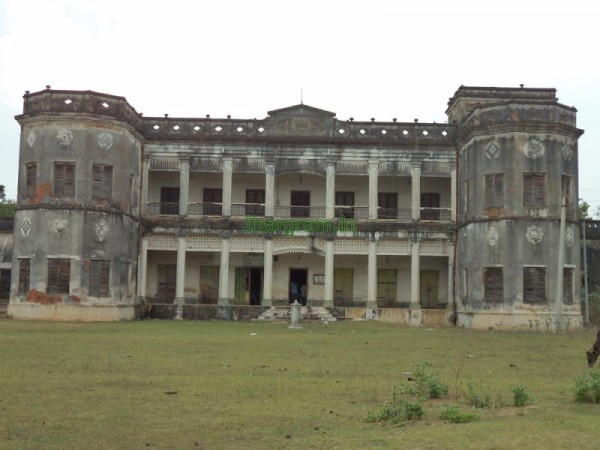
Chilkigarh Raj Palace
Jhargram

From undulating red-soil plains to plateau landscapes and dense sal forests, Jhargram offers nature, living heritage and warm hospitality.
Come. Explore. Belong.
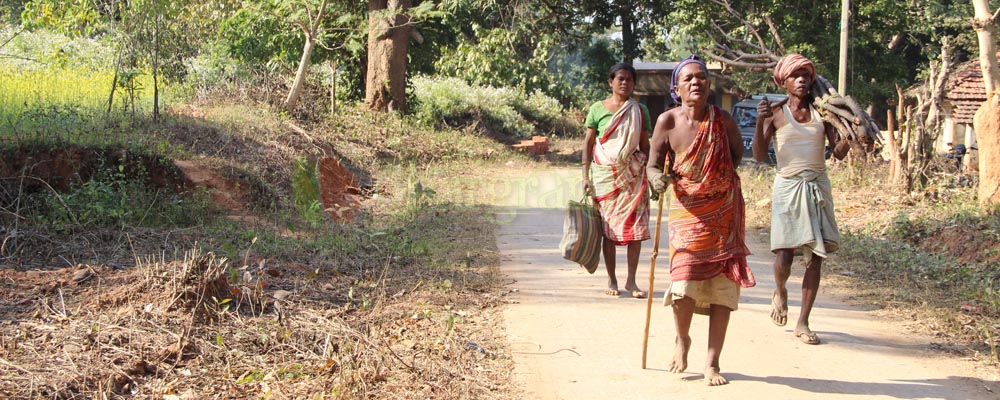
Jhargram
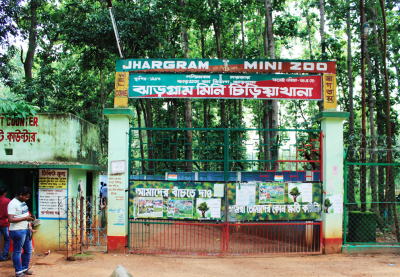
Jhargram
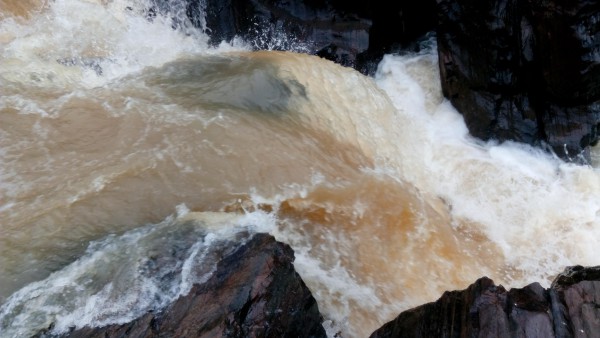
Belpahari
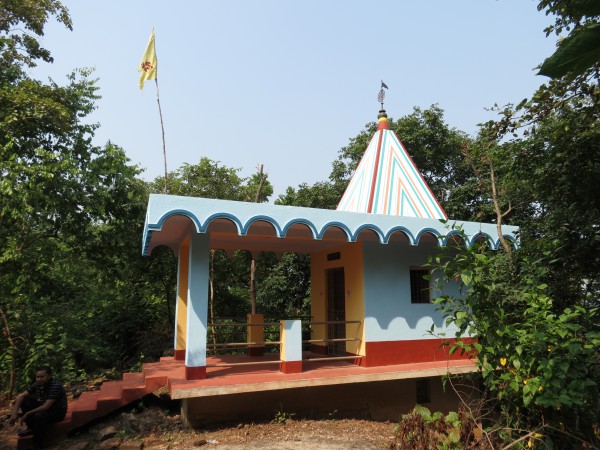

Belpahari
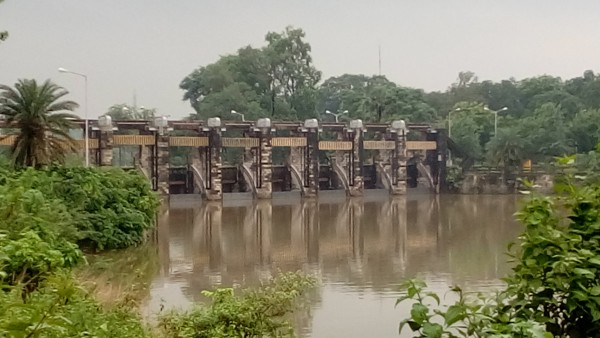
Belpahari
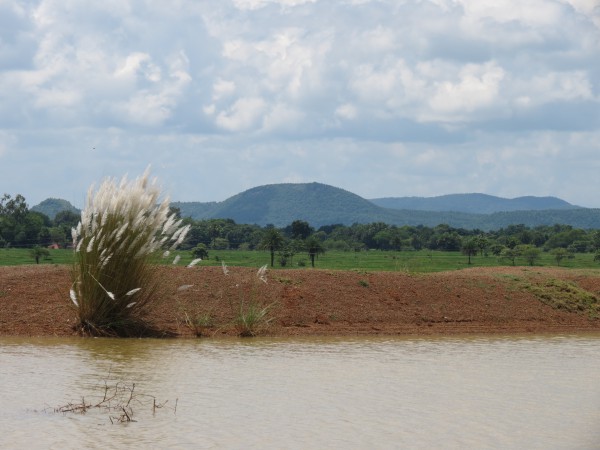
Belpahari
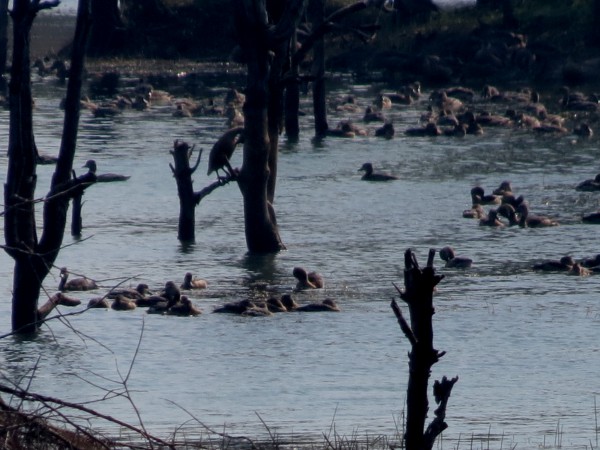
Belpahari
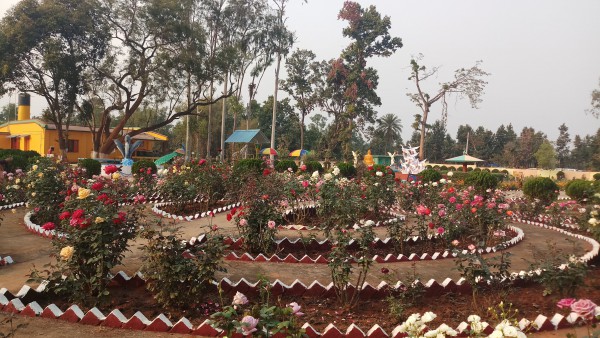
Jhargram
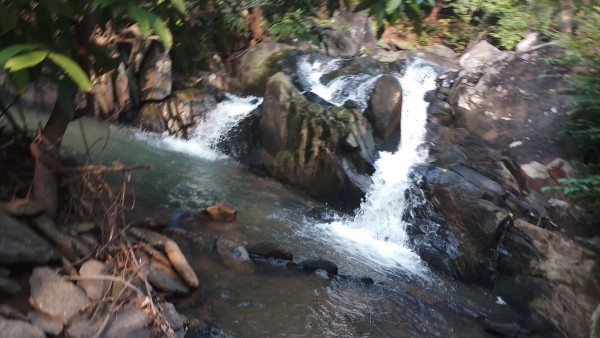
Belpahari
Jhargram works best as a two- or three-day trip. Keep one day for the town and nearby heritage attractions, then use another for the forests, hills, dams and waterfalls around Belpahari or Chilkigarh.
Jhargram is connected by rail and road with Kolkata and Kharagpur. Jhargram railway station is the usual arrival point. Reserve a local car when visiting spread-out forest destinations.
October to February generally offers comfortable sightseeing weather. Monsoon travel brings greener forests and seasonal waterfalls, but road and weather conditions should be checked locally.
Day 1: Explore Jhargram town, the Raj Palace area, Sabitri Temple and nearby nature or zoological attractions.
Day 2: Choose one coherent circuit—Belpahari and its surrounding landscape, or Chilkigarh and the Kanak Durga Temple area—to avoid spending the entire day in transit.