Jhargram?s cultural life is shaped by many Adivasi communities, each with its own languages, histories, social practices, music, dance and festivals. This guide is an introduction to living traditions?not a complete account of any community.
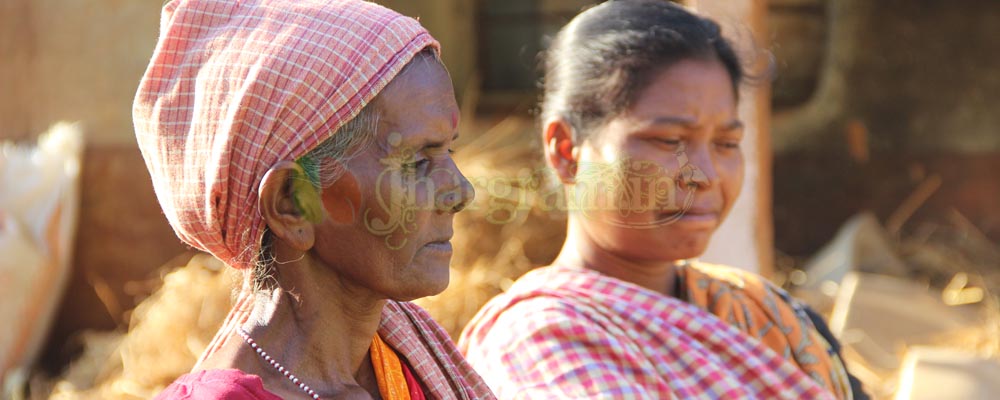
A living cultural landscape
The Government of West Bengal identifies the Santhal, Munda, Bhumij and Lodha communities among the region?s tribal cultural traditions. Songs, collective dance, seasonal observances, work, kinship and the relationship with land and forest are all part of this living heritage. Practices also vary between families, villages and generations.
Music, dance and festivals
The Jhargram district administration highlights Baha as an important festival of the Santhal community, describes a Munda dance performed on special occasions, and notes Dangery as a hunting dance of the Lodhas. These are not stage displays alone: they are embedded in social and ceremonial contexts.
Community guides
Where to begin
The Bandarvula Tribal Interpretation Centre, about one kilometre from Jhargram town, is a public place to begin learning about tribal art and culture.
Source
Jhargram District, Government of West Bengal ? Culture & Heritage
Traditional Art, Dance, & Rituals
Jhargram?s cultural forms bring together performance, craft, music and ritual. The district administration records folk drama, dance, song and instrument traditions, including Parva, Mundari Panta, Sarpa dance, Bhuang and Kendri, Pata Naach, Baha and Karam. These forms belong to particular communities and occasions; names, meanings and practices can vary locally.
Where to Experience Tribal Culture in Jhargram
Begin at the Bandarvula Tribal Interpretation Centre, a state-created museum in sal forest about one kilometre from Jhargram town. The centre has an open stage for cultural programmes. For a live event, check locally with organisers or the district administration rather than assuming a ceremony will be open to visitors.
Martial & Masked Dances
Parva is described by the district administration as a folk drama in which performers use masks for characters such as deities, animals and elders. The same source identifies Chilkigarh Chhau-Parva as a distinctive local Chhau-related form. Chhou dance drama uses elaborate headgear and masks, with themes that may draw on mythology as well as social issues. These performances are skilled artistic traditions, not costumes for casual imitation.
Secretive & Hunting Rituals
Some rituals, worship and ceremonial spaces are private or governed by community custom. Visitors should not enter, photograph or record them without explicit permission. The district administration describes Dangery as a Lodha hunting dance performed before a hunt; it should be understood in its cultural and historical context, without romanticising or re-enacting hunting practices.
Seasonal & Agricultural Celebrations
Seasonal observances connect culture with cultivation, animals and the natural world. The district lists Makar Parab (Tusu Parab) as a winter harvest festival; Saharul as a spring celebration of nature; Karam Parab as an agricultural prosperity festival; and Bandna (Saharai) as an expression of gratitude toward animals and agricultural implements. It also notes Baha Banga as an important Santhal festival associated with worship at Jaher Than.
Further reading
Jhargram District, Government of West Bengal ? Culture & Heritage and Bandarvula Tribal Interpretation Centre.