
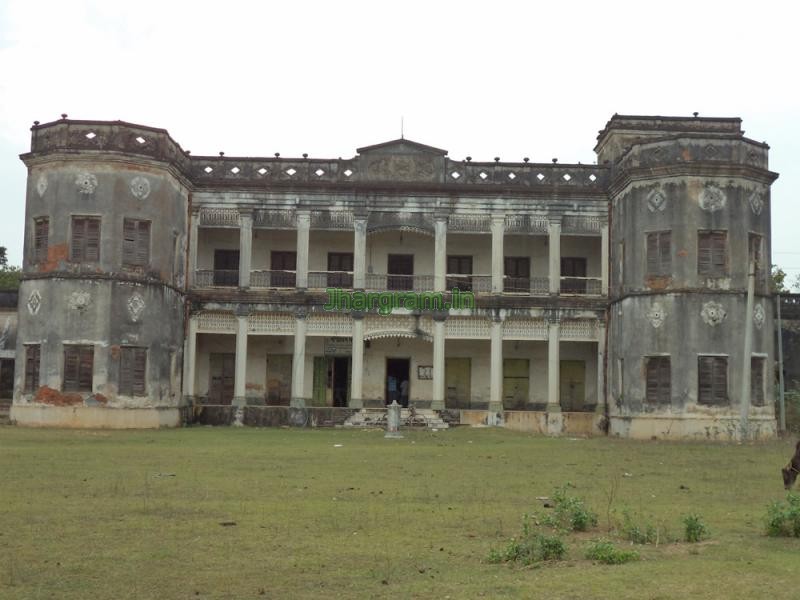
Chilkigarh Raj Palace
Chilkigarh, Jamboni, Jhargram, West Bengal
Chilkigarh Raj Palace
Chilkigarh Raj Palace – The Forgotten Capital of Jamboni
Chilkigarh Raj Palace, also known as Chilkigarh Rajbari, is a historic royal complex in the Jamboni area of Jhargram district. Standing beside the Dulung River amid the forests of Jungle Mahal, the palace was once the seat of the rulers of the Jamboni estate. Its weathered walls, broad courtyard and surviving temples preserve the atmosphere of a regional capital that developed away from Bengal’s better-known royal centres.
About 14 km
By road from Jhargram town.
Jamboni Estate
The palace served as the estate’s historic royal seat.
Dulung River
Flows between the palace and Kanak Durga sacred grove.
Origins of the Chilkigarh Royal House
Chilkigarh’s history is closely connected with the wider history of Dhalbhum and Jungle Mahal. District tourism accounts preserve a royal tradition that King Jagatdeo defeated an earlier ruler and adopted the title Dhawal Dev or Dhabal Dev, after which the Chilkigarh royal family became known by that name. The precise date and details vary between accounts, so this early origin is best understood as dynastic tradition rather than a firmly established chronology.
What is clearer is that Chilkigarh emerged as the capital of the Jamboni estate. Regional chiefs used the forests, rivers and difficult terrain of western Bengal to establish local centres of power. The palace complex therefore represents a strand of Bengal’s history that developed beyond the large imperial capitals.
Raja Gopinath Singh and the Jamboni Succession
Raja Gopinath Singh Matagaja is remembered as an important ruler of Jamboni and as the royal patron associated with the worship of Kanak Durga. He died in 1765 without a male heir. The administration subsequently passed to his senior widow, Rani Govindamani Devi, who remained an important figure in the estate until her death in 1818.
In 1822, the Midnapore District Court recognised Gopinath Singh’s grandson, Rajkumar Kamalakanta Deo Dhabal Dev of Dhalbhum, as the legal heir to the Jamboni throne. He was then installed as Raja at Chilkigarh. This succession strengthened the relationship between the Jamboni and Dhalbhum royal lines.
The Palace and Its Defensive Landscape
The main palace is a two-storeyed structure arranged around a royal compound. Although age and weather have damaged parts of the building, visitors can still observe its substantial walls, arched openings, balconies and rounded corner elements. The ruins offer a glimpse of the scale and authority of the former estate.
Local and tourism accounts describe defensive walls or fortifications along the Dulung River, traditionally associated with protection against Maratha raiders known in Bengal as the Bargis. The surrounding woodland also formed a natural screen around the royal settlement. Historical studies of the neighbouring sacred grove note that the dense forest was valued as a defensive barrier against approaching enemies.
Royal Temples and Kanak Durga
The palace grounds include old temple structures that reflect the close relationship between royal authority and religious patronage. Across the Dulung River lies the Kanak Durga Temple and its sacred grove, the spiritual centre of the Chilkigarh royal tradition.
According to folklore, Goddess Mahamaya appeared to Raja Gopinath Singh in a dream and instructed him to establish her worship. The golden image of Kanak Durga was traditionally said to have been fashioned using the queen’s bangles. The palace and temple should therefore be experienced together: one represents the political history of Jamboni, while the other preserves its living religious heritage.
The Dulung River Setting
The Dulung is a tributary of the Subarnarekha and an essential part of Chilkigarh’s landscape. It separates the palace area from the Kanak Durga forest and creates one of Jhargram’s most picturesque heritage settings. Seasonal changes can significantly affect the river and surrounding paths, particularly during the monsoon.
Planning Your Visit
Chilkigarh Raj Palace is about 14 kilometres from Jhargram town by road. The most rewarding itinerary combines the palace, Dulung River and Kanak Durga Temple in a single visit. Jhargram Railway Station is the nearest major rail connection, and local cars or taxis are the most convenient way to reach Chilkigarh.
- Visit during daylight, as parts of the historic structure may be uneven or fragile.
- Do not climb damaged walls, balconies or restricted sections of the ruins.
- Wear comfortable footwear suitable for palace grounds and forest paths.
- Keep the riverbank and heritage complex free from litter.
- Respect worshippers and local customs when visiting the nearby Kanak Durga Temple.
- Check local access and weather conditions during the monsoon.
Photo Gallery
How to Reach
Chilkigarh, Jamboni, Jhargram, West Bengal
Ratings & comments
Please sign in with your registered account to rate, comment, or react.
No approved feedback yet. Be the first to share your experience.